When you’re helping your senior loved one move, you should plan everything in advance. Take the time to organize each step in order to make the process easier for everyone. Hiring reliable Pennsylvania movers might also be a good idea, as their experience in senior moving allows them to provide valuable assistance. With the right support and approach, you can help your loved one feel comfortable and well cared for throughout the entire move. Now, let’s go over some tips to make moving less stressful for them.
How Planning Ahead Helps Your Senior Loved One Move Easier
One of the most important things to do when helping your senior loved one move is to plan ahead. Start early by creating a checklist of everything you need to do. This can include sorting through items, packing, hiring residential movers in Pennsylvania, and organizing the moving day schedule. Having a plan will help avoid last-minute rushing, which can cause stress for everyone.

A good tip is to break the tasks into smaller steps. For example, you can start by packing up rooms that are used less often, like a guest room or storage closet. This way, your loved one doesn’t feel overwhelmed by the whole house being packed up at once. With a plan in place, things will go more smoothly. And if you encounter any surprises along the way, you’ll have time to handle them.
Hire Movers Specializing in Senior Relocation
Hiring professional movers who specialize in helping seniors move is a great way to take the heavy lifting off your shoulders. Senior movers in PA understand the needs of older adults. We know that seniors may need more time, care, and understanding during the move, so we handle items carefully and try to make the experience as stress-free as possible for your loved one.
Not only will our movers help with the physical part of moving, but we’ll also give you more time to focus on the emotional and practical needs of your loved one. Let the professionals handle the packing, loading, and transportation, while you spend your time making sure your loved one feels comfortable and supported.
Downsize Together and Keep Essentials
Seniors often have a lot of belongings they’ve collected over the years. Sorting through these items can be difficult, so it’s important to approach it with patience. Encourage your loved one to declutter before a move by going through each room together. This can also be a great opportunity to share memories and decide which items are truly important.
When downsizing, make sure to focus on keeping the essentials. These include everyday items your loved one uses often, such as clothes, medications, and important documents. You’ll also want to keep special items that hold sentimental value. While it’s hard to let go of some things, remind your loved one that moving to a new place offers a fresh start with fewer things to worry about.
Follow a Timeline to Support Your Senior’s Move
A clear timeline helps keep everyone on track during the moving process. After planning ahead, break the move into small and manageable steps. For instance, dedicate a few days to packing one room at a time, or set specific dates for meeting with the movers. Having a schedule prevents you from forgetting important things and therefore keeps the stress level low.
Don’t rush the timeline. Give yourself and your loved one enough time to make decisions without feeling pressured. If possible, start preparing weeks or even months in advance. Take it one step at a time, and you’ll make the move less overwhelming.
Prioritize Sentimental Belongings
Seniors often have strong emotional connections to certain belongings, and it’s important to prioritize these items during the move. Sentimental things like family photos, old letters, and treasured keepsakes should be handled with extra care. So, take the time to pack these items properly and use protective materials like bubble wrap and sturdy boxes to keep them safe during transport.
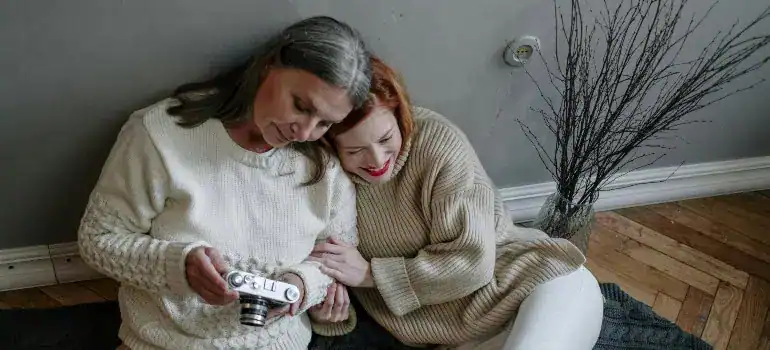
Here are some additional tips for handling sentimental belongings:
- Pack them separately from other items and label the boxes clearly.
- Keep these items easily accessible, so they can be unpacked first.
- Encourage your loved one to keep some of their favorite items nearby during the move to provide comfort.
Having these familiar things in the new home can help your senior loved one feel more at ease as they adjust to their new surroundings.
Set Up Their New Space for Comfort
Once you’ve arrived at the new home, focus on setting up your loved one’s space for comfort. Make sure to arrange their bedroom and living areas in a way that feels familiar to them. Start by setting up furniture and items they use every day, like their favorite chair, bedside lamp, or blanket. This will help them settle in faster and feel more at home.
When arranging the new space, consider your loved one’s mobility. Make sure pathways are clear and furniture is easy to move around. If necessary, add any safety features, such as grab bars in the bathroom or non-slip rugs.
Involve Your Senior Loved One in Moving Decisions
Keep your senior loved one involved in decisions about the move. No matter if it’s deciding what to pack, where to place furniture, or choosing which items to bring, giving them a say helps them feel more in control of the process. It’s easy to take over and make decisions for them, but it’s their move, and their input should be valued.
Even small decisions, like choosing the color of the new curtains or deciding on the layout of the living room, can make a big difference in how your loved one feels about the move. By including them like this, you’re showing respect for their preferences and helping them feel more connected to their new space.
Provide Emotional Support During the Process
Moving can bring up a lot of emotions, especially for seniors who may be leaving a home filled with memories. It’s important to recognize that your loved one might feel sad or anxious about the move. Be there to offer emotional support. Sometimes, just being present and listening to their concerns is enough to make them feel better. Encourage your loved one to talk about their feelings, and remind them of the positive aspects of the move. Perhaps they’ll be closer to family, or they’ll have fewer household responsibilities. Highlighting these benefits can help shift their focus to the exciting new chapter ahead.

Helping Your Senior Loved One Move with Care and Patience
Helping your senior loved one move is a big responsibility, but if you have the right approach, it can be a positive experience. So, plan ahead, and involve your loved one in key decisions. Offer them emotional support, and you’ll make the process smoother and less stressful. Remember to focus on their comfort, prioritize sentimental belongings, and set up their new space with care. If you take the time to do things right, this move may become a meaningful and rewarding experience for both of you.