A growing number of families and professionals are moving from PA to TX each year. Lower taxes, warmer weather, and more affordable housing often drive the change. For example, Texas has no state income tax, while Pennsylvania does. In cities like Austin or Dallas, tech and healthcare jobs are on the rise. At the same time, the cost of living is often lower than in places like Philadelphia. However, this isn’t a short trip—it’s over 1,400 miles. That means planning ahead matters. You’ll also notice cultural changes. Texas life can feel more spread out, with a different pace and climate. If you’re relocating from Pennsylvania to Texas, understanding these differences early will help you adjust more easily once you arrive.
Create a moving timeline and checklist
Start your move by setting a clear timeline. Begin planning at least 8 to 12 weeks before your moving date. Break the process into weekly goals to stay organized. For example, in week one, research and contact the best moving companies in USA to compare services and prices. In week two, gather packing supplies and start sorting your belongings. Separate items to keep, donate, or discard. Early preparation gives you more control over the entire process.

As you move forward, focus on completing one group of tasks each week. Transfer or cancel utility services about three weeks before the move. Schedule start dates for electricity, internet, and water at your new address. Next, update your address with banks, insurance providers, and any subscriptions. Begin packing one room at a time, labeling each box with its contents and destination. Two weeks before the move, confirm dates with your movers. Create a box of essentials with clothes, snacks, and chargers. Staying organized helps make your relocation less stressful.
Choose the right moving company for a long-distance move
Choosing the right company takes time, but it makes your move easier. Start by researching US long distance movers with proper licensing. Make sure they are registered with the U.S. Department of Transportation. Read reviews on trusted platforms like Better Business Bureau or Google. Look for companies with positive feedback on punctuality, care, and customer service. Then, request written estimates from at least three movers. Compare not only prices but also what each company includes.
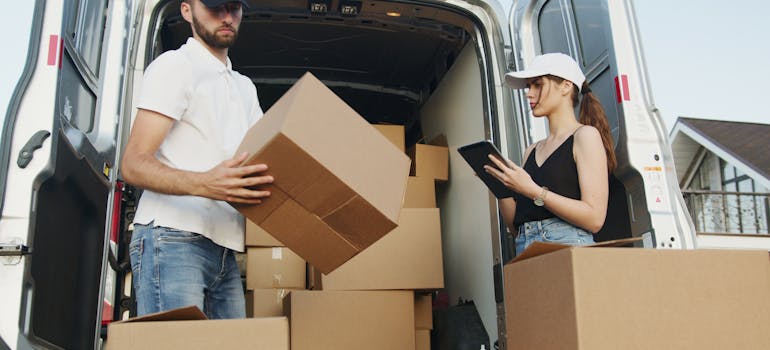
Next, ask questions before making a final decision. Find out if insurance coverage is part of the quote. If not, ask how much it costs to add. Also, check the estimated delivery window. Some companies take longer, depending on the route and schedule. If you have fragile or large items, ask about special services. For instance, many movers offer partial packing or custom crating. These options may add cost but reduce the risk of damage. Careful planning now helps avoid problems later and protects your belongings during transit.
Budgeting for your move to Texas
Planning your budget is one of the most important parts of any move. On average, moving from Pennsylvania to Texas costs between $3,000 and $6,500. Prices vary depending on distance, home size, and services. For example, full-service moving companies Pennsylvania charge more if you need packing help or have a large household. Basic transport may cost less, but you’ll need to handle packing on your own.
There are also extra fees to consider. If your movers need to carry boxes over 75 feet, expect a “long carry” charge. Stairs can also add $100 to $200 per flight. Moving a piano or oversized furniture can add $300 or more. Insurance coverage, especially for valuable items, may raise the total price. However, you can still save. Try booking your move mid-week, when rates are lower. Moving during the fall or winter also costs less than in the summer. Early planning and clear quotes help you avoid hidden costs and stay within your budget.
What to pack, donate, or leave behind
Deciding what to bring can help cut costs and save space. First, review everything you own and sort it by use. Since Texas has a warmer climate, you may not need heavy coats or snow gear. You can donate winter clothing to local shelters before you leave. For large items like sectionals or dining tables, consider your new space. If they won’t fit or match, sell them locally before the move. This lowers the load and may reduce charges from movers offering the best packing services.

Keep important items with you. This includes passports, medical records, financial documents, and jewelry. Store them in a small, clearly marked bag or lockbox. To stay organized during unpacking, use color-coded labels. For example, red for the kitchen, blue for the bedroom, and green for storage. When relocating from Pennsylvania to Texas, this small step helps speed up settling in. Overall, packing smarter means you’ll carry less, spend less, and unpack faster at your new home.
How to prepare your car and pets for the relocation
Preparing your car and pets takes extra planning but helps avoid problems during the move. Before leaving, check your vehicle’s registration and inspection rules in Texas. You may need to register your car within 30 days of arriving. Also, make sure your inspection is up to date. If you’re driving far, plan rest stops every 2–3 hours. Choose stops with grassy areas if you’re traveling with pets.
For safety, use secure crates or carriers. Pets should be able to stand and turn around comfortably. Update their ID tags with your new phone number and Texas address. If your move takes more than one day, look for pet-friendly hotels along your route. Websites like BringFido can help. To reduce what you carry, rent a unit at Blandon self storage for extra boxes or seasonal items. That way, your vehicle stays less crowded. A little planning makes a big difference for both you and your pets during the trip.
Final moving day tips when relocating from Pennsylvania to Texas
Final moving day steps are simple but easy to overlook. Start by confirming all details with your movers 24 to 48 hours in advance. This includes arrival time, payment method, and delivery schedule. If you hired the best movers for seniors, they may also provide reminders or checklists. Pack an essentials box with toiletries, chargers, snacks, clothes, and basic tools. Keep this box with you during the move. That way, you won’t have to unpack everything right away.
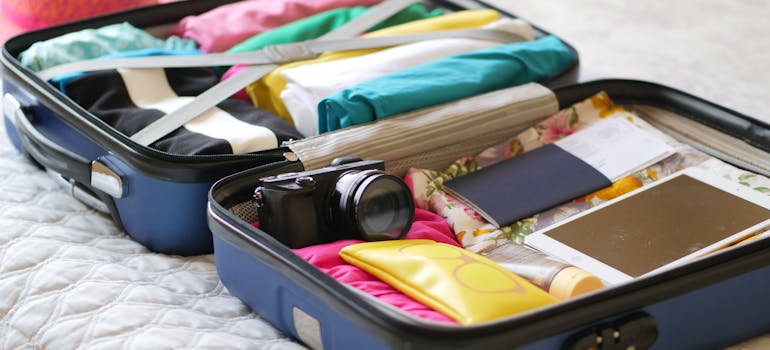
Next, do a final walk-through of your entire home. Check closets, attic, basement, and garage. Many people forget items stored in less visible areas. Before leaving, collect contact information for your driver and moving company. Store it in your phone and write it down on paper. If there are delays, having that info makes follow-up easier. When relocating from Pennsylvania to Texas, small details like these help reduce stress. Staying organized on moving day helps everything go more smoothly from start to finish.
Comparing life in Pennsylvania and Texas
Whether you are relocating your home or office, knowing what to expect matters. For businesses, hiring the best commercial movers helps protect equipment and avoid downtime. For families, understanding the new location reduces stress. Before making a move, compare key aspects like job markets, housing, and local services. This helps you plan better and avoid surprises after arrival. For example, utility costs or school ratings may be very different. Also, cultural norms and daily routines can shift more than expected. Knowing these differences helps you adapt more quickly. In both personal and business moves, comparing life in Pennsylvania and Texas gives you a clearer picture. That way, you make more informed choices about housing, budgeting, and future plans.
Cost of living: How Pennsylvania and Texas differ
Many people relocating from Pennsylvania to Texas notice a clear difference in daily expenses. Housing costs are often lower in Texas. For example, the average home price in Dallas is about $310,000, while in Philadelphia it’s closer to $360,000. However, Texas offers more space for the price. Rent is also lower—Houston’s average rent for a one-bedroom is around $1,200 compared to $1,500 in Pittsburgh.

Another key difference is income tax. Texas has no state income tax, while Pennsylvania charges a flat 3.07%. This can lead to major yearly savings. In addition, utility bills in Texas average $150 monthly, slightly lower than Pennsylvania’s $175. Grocery prices also vary. A gallon of milk in Austin costs about $3.50, while in Harrisburg it’s closer to $4.00. Gas prices tend to be cheaper in Texas, often by 20–30 cents per gallon. Comparing these expenses helps you plan a realistic budget before the move. Careful planning avoids financial surprises later.
Job market opportunities after relocating from Pennsylvania to Texas
Texas offers many job opportunities across major industries. Energy is a key sector, especially in Houston, where oil and gas jobs remain strong. Tech continues to grow in Austin, with companies like Dell and Tesla hiring regularly. Healthcare jobs are stable in cities like San Antonio, where major hospitals keep expanding. Manufacturing thrives in Dallas and Fort Worth, supporting both small businesses and global brands.
In some metro areas, the unemployment rate is lower than in Pennsylvania. For example, Austin’s rate is about 3.2%, while Philadelphia’s is closer to 4.5%. Before moving, update your resume and explore job boards focused on Texas markets. After arrival, attend local networking events or job fairs. Salaries also vary by location. A registered nurse earns around $78,000 in Texas, compared to $75,000 in Pennsylvania. While pay might be similar, lower taxes and housing costs in Texas make income stretch further. Research helps you choose the right city for your field.
Cultural and lifestyle differences between the states
Life in the state of Texas feels different from Pennsylvania in many ways. The pace is often slower, especially in smaller towns. People tend to be more casual and friendly. Social scenes include local festivals, BBQ cook-offs, and high school football games. In Pennsylvania, events often center around historic towns and seasonal fairs.

Texas food culture is also unique. You’ll find brisket, Tex-Mex, and chili in most cities. Live music is common too—Austin is known for daily performances in bars and parks. Outdoor life matters here. Locals spend time at lakes, trails, and backyard gatherings more often than in Pennsylvania. Driving habits differ as well. Roads are wider, and public transit is less common. You’ll likely need a car. Communities also host more public events like rodeos and farmers’ markets. To meet people, join neighborhood apps like Nextdoor or attend church, sports leagues, or volunteer groups. Local connections help you settle in faster and feel at home.
What to expect when relocating from Pennsylvania to Texas with a family
Moving with a family means more planning, especially when it comes to schools and daily life. Texas has many strong public school districts. For example, Eanes ISD in Austin and Southlake Carroll in Dallas often rank among the best. Before the move, check district websites and school ratings on sites like GreatSchools.org.
Here are a few things to look for in family-friendly neighborhoods:
- Access to public parks and safe walking paths
- Nearby grocery stores, libraries, and daycare centers
- Low crime rates and active neighborhood watch programs
Healthcare is another important factor. Major Texas cities offer many pediatric clinics and hospitals. In Houston, Texas Children’s Hospital provides top-tier care. San Antonio and Dallas also have respected medical centers. Safety and recreation options vary by city. However, most areas offer public pools, sports leagues, and playgrounds. Planning around these services helps your family settle in with less stress and more support after the move.
Make your relocation from Pennsylvania to Texas a success
Good planning helps you avoid common moving problems and adjust faster. Start early, follow a checklist, and stay organized. Compare costs, research neighborhoods, and choose the right movers for your needs. Learn about school districts, job options, and community services in your new city. Also, take time to explore local parks, stores, and social events once you arrive. These steps make settling in easier for both individuals and families. Whether you’re moving for work, family, or a lifestyle change, every detail matters. When relocating from Pennsylvania to Texas, preparation leads to a smoother move and a better start. Focus on what matters most to you, and take each step with confidence. A well-planned move leads to long-term success.