Hiring experienced movers Wyomissing PA residents trust can reduce the risk of breakage, but careful preparation still matters. Specialty kitchen items often have fragile parts, sharp edges, or awkward shapes. Mixers, espresso machines, and glassware need extra padding and support. Knives should be wrapped securely to avoid damage and injury. If packed poorly, these items can break or stop working during the move. This may delay your kitchen setup and add unexpected costs. More importantly, some pieces have sentimental value, like a passed-down cast iron pan or a gifted set of dishes. That’s why packing specialty kitchenware correctly is essential. With the right steps, you’ll protect what matters most and start using your kitchen without stress after the move.
Step-by-step guide to packing specialty kitchenware
When you handle fragile kitchen items, experienced US movers manage the heavy lifting and logistics. However, you still need to prepare each piece carefully. Learning the right methods protects your valuable equipment. First, start packing specialty kitchenware by gathering all necessary supplies. You will need foam sheets, sturdy dish boxes, quality tape, and clear labels. Next, wrap each item according to its material and shape. Glassware should go in foam-lined boxes. Metal pots require bubble wrap around handles. Ceramic dishes need extra padding between each piece. After that, add extra cushioning to protect edges and protruding parts. Then pack knives and other sharp tools inside blade guards before wrapping. Moreover, secure all appliance cords and detachable parts with tape or twist ties. Finally, mark every box as fragile and note its contents on each label. This clarity helps movers place boxes correctly and speeds up unpacking.

By following these detailed steps, you’ll ensure that every specialty item reaches your new kitchen intact. As a result, you can focus on setting up and enjoying your space without worrying about damaged goods.
Tips for organizing and decluttering before you pack
Hiring the best packing services can make your move easier, but it still helps to declutter first. Start by sorting through your kitchen and setting aside items you rarely use. Duplicate utensils, extra mugs, or chipped dishes may not need to come with you. Next, decide what to do with these extras. You can donate small appliances to local charities, sell valuable items online, or place seasonal tools in storage. This step helps reduce the number of boxes and saves space in your new home.
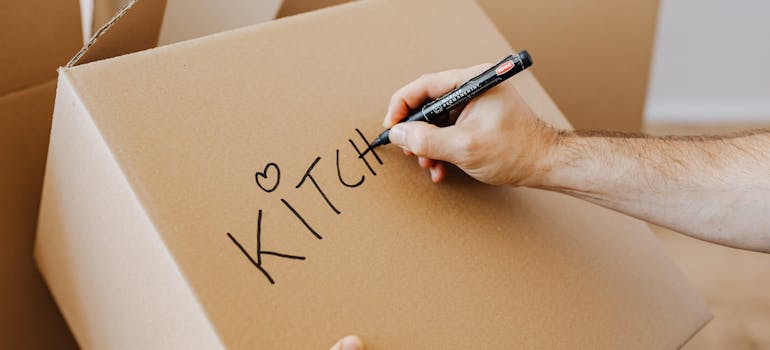
Before packing anything, take time to clean each item. Wipe off grease, crumbs, and dust. Dry everything well to avoid moisture buildup during the move. After cleaning, take inventory of your specialty kitchenware. Write down what you have, such as food processors, coffee grinders, or baking tools. Group similar items together as you go. Labeling and tracking now will save time later. When boxes are clearly marked, unpacking becomes faster and more organized. With less clutter and better preparation, you’ll set up your new kitchen more easily and avoid bringing along what you no longer need.
Temporary and long-term storage solutions for kitchen equipment
Some moving companies Pennsylvania residents trust also offer storage solutions that work well for kitchen equipment. If your new kitchen isn’t ready yet or you plan to renovate, short-term storage can help. It gives you a clean space while keeping your items secure. For example, if your closing date changes, a temporary unit can hold your appliances until the new home is ready.
For longer periods, choose a climate-controlled unit. This protects delicate appliances like espresso machines or stand mixers from extreme temperatures. Use sealed bins or padded boxes to prevent dust and scratches. Label each container with its contents and the room it belongs in. For instance, mark boxes “baking tools” or “coffee equipment” so you can find what you need later. Moisture is another concern, especially for metal and electric items. Add moisture absorbers or silica packets to each box. Careful storage keeps your kitchenware in good condition until it’s time to unpack.
What to avoid when packing delicate kitchen items
Delicate kitchen items need proper handling to prevent damage during a move. Many people make small packing mistakes that lead to broken glass, scratched surfaces, or damaged appliances. Understanding what to avoid can help you pack more effectively. Below are common mistakes to watch out for:
- Overpacking boxes without adding enough padding or support
- Using the wrong materials, such as newspaper, which can tear or leave stains
- Stacking heavy items on top of fragile ones, causing cracks or pressure damage
- Forgetting to label boxes as “fragile,” making it harder for movers to handle them with care
What to expect from Wyomissing, PA
Wyomissing, PA offers a quiet, suburban lifestyle with easy access to city amenities. The cost of living is slightly higher than the Pennsylvania average but still lower than many parts of New Jersey. Housing prices are reasonable, with a variety of single-family homes and townhouses available. The job market is stable, supported by healthcare, education, and local business sectors. Penn State Health and Tower Health are major employers in the area. Residents enjoy clean, safe neighborhoods and well-maintained parks. Schools are highly rated, making the town attractive to families. Although nightlife is limited, restaurants, shops, and community events offer plenty to do. Overall, the Wyomissing Borough is a peaceful place to settle with a strong sense of community and convenience.

Settle into your Wyomissing kitchen with ease
Setting up your new kitchen in Wyomissing should feel rewarding, not stressful. Careful planning before the move helps protect your most valuable tools and appliances. Once you’re in your new space, unpack essential items first to make daily cooking easier. Organize cabinets based on how often you use each item. Keep mixers, coffee machines, and cookware within reach. This makes your new kitchen both practical and welcoming from day one. If anything needs to stay in storage, label boxes clearly for quick access later. Taking the time to do things right now saves time in the future. With the right steps, packing specialty kitchenware becomes simple, and your new kitchen will feel like home much faster.