Moving with toddlers can feel like juggling a dozen things at once, but it doesn’t have to spiral into chaos. When planned right, this experience can actually be smooth, organized, and even meaningful. Working with movers in US helps ease the load so you can focus on your family, not just your furniture. The trick is to align every detail—from nap schedules to box placement—with what your toddler needs most: routine and reassurance. Each decision, no matter how small, can influence how calmly they handle the change. Moving with toddlers is about patience, timing, and creating a sense of safety amid all the movement around them.
How Can You Time Your Move Around Your Toddler’s Routine?
Timing can make or break your moving experience when you have little ones. Involving the best local movers early in your planning allows you to set realistic timelines that work around naps, meals, and playtime. Toddlers thrive on consistency, and even minor disruptions can cause stress or tantrums. Try to schedule major packing sessions or move-out hours during times when your toddler is most relaxed or engaged elsewhere. For example, if nap time is at 1 PM, aim to load trucks or finalize logistics around that period so you can focus without interruptions. Keeping bedtime routines unchanged during the week leading up to the move also helps prevent sleep regressions. Predictability makes toddlers feel safe, even when everything around them changes. Simple patterns like breakfast at the same time or bedtime stories in a temporary spot provide stability. The smoother their daily rhythm, the smoother your move will be.

How Does Decluttering Early Simplify the Process?
Packing less means stressing less. Before boxes pile up, sorting through what stays and what goes saves time and keeps your home safer for kids. Families working with US long distance movers often start decluttering a month in advance to minimize last-minute chaos. Go through each room and separate items your toddler has outgrown—clothes, toys, furniture, or books. Donate gently used pieces to local charities or daycares. Fewer items mean fewer distractions and hazards during packing. Decluttering also lets toddlers see what’s happening and learn about change in a positive way. You can frame it as “making space for new adventures” rather than “getting rid of stuff.” Keeping only what’s essential reduces the number of boxes to carry, which can cut moving costs too. For instance, removing ten unnecessary boxes might save $100 to $150 in weight-based moving fees. Less clutter equals more focus and calm, which every parent needs during relocation.
How Can You Create a Safe Packing Zone?
Every move comes with hazards toddlers don’t see—box cutters, cords, and sharp corners. That’s why families often rely on the best residential movers to handle heavy lifting while they focus on child safety. Designate one secure space in your home where packing happens, and keep your toddler’s toys and comfort items in another room. Use gates or playpens to limit access if possible. Boxes should be stacked low and away from doorways to prevent tipping accidents. Keep tape dispensers, markers, and scissors out of reach when not in use. Even simple tasks like sealing boxes or wrapping glassware can become risky with a curious toddler nearby. If you’re using tape guns or stretch wrap, check that cords and film rolls aren’t left dangling. A clean workspace keeps you efficient and reduces anxiety because you don’t have to multitask safety checks constantly. A secure packing zone also helps toddlers learn boundaries and keeps moving day injuries off the list of worries.
How Can You Involve Your Toddler in Small Tasks?
Children love to help when they feel capable. After organizing the logistics with the best packing services, let your toddler contribute to smaller, safe activities. Give them stickers to decorate boxes for their room, or let them place their stuffed animals in a labeled bin. These small tasks make toddlers feel included rather than displaced. Turning packing into a playful experience—like counting toys or matching colors—keeps their attention positive. If your child sees you handling things calmly, they’ll mirror that energy. You can even let them “supervise” by holding a small checklist or marking completed rooms. Toddlers crave engagement, and these little responsibilities channel that energy productively. A sense of ownership over their belongings reduces fear and confusion when they see items disappear into boxes. When your toddler’s involvement is purposeful and fun, it transforms the move from something being done to them into something they’re part of.

What Should Go in a Toddler Essentials Bag?
A well-packed essentials bag is your lifeline during a move. Many parents working with the best military movers prepare it days ahead to avoid forgetting critical items. Include snacks your toddler loves, refillable water bottles, diapers, wipes, a change of clothes, and a comfort toy or blanket. Don’t forget pain relief or fever medicine just in case. Add a tablet or small toy for entertainment during travel or long waiting periods. Having these items ready means you won’t scramble when your toddler gets restless or hungry halfway through loading the truck. You can also include bedtime essentials like pajamas or a nightlight if you’re arriving late. Keep this bag separate from all other boxes and carry it with you, not in the moving van. Toddlers can sense your calm when you’re organized, and knowing their needs are covered keeps both of you relaxed. When everything important is within reach, moving day feels manageable.
How Can You Keep Meals and Sleep Consistent During the Move?
Consistency is the golden rule for moving from Pennsylvania to California, or any long relocation with kids. Mealtime and bedtime should remain predictable no matter how hectic the day gets. Toddlers rely on routine for comfort, so bring familiar items like their favorite bowl or bedtime book to maintain that sense of normalcy. Stick to regular meal times and keep food simple but filling—fruit slices, sandwiches, or small portions of cooked pasta work well. If your toddler naps in a crib, try setting it up temporarily in a quiet room even before other furniture is unpacked. Traveling across time zones? Adjust bedtime gradually by 15–20 minutes each day to help their body clock adapt. Sleep and nutrition affect behavior directly, and exhausted toddlers often resist transitions more strongly. A stable schedule means fewer emotional spikes and smoother unpacking. When routines stay intact, everything else follows.
Why Should You Set Up the Toddler’s Room First?
Unpacking your toddler’s space first helps them adapt faster. Many parents who coordinate moves with best residential movers find this one step dramatically improves the first few nights in a new home. Start with the crib or bed, favorite toys, and familiar bedding. Seeing their belongings in place gives toddlers a sense of security that boxes and strangers can’t provide. Add a few familiar decorations or wall art right away—it makes the room feel like theirs again. When toddlers recognize their things, they relax more easily, sleep better, and explore confidently. It also gives you one safe area to keep them entertained while you unpack the rest of the home. Even if the kitchen or living room stays messy for a day or two, a finished child’s room anchors the family emotionally. It’s the small comfort that turns a new house into a home overnight.
How Can You Handle Emotions and Tantrums During Transitions?
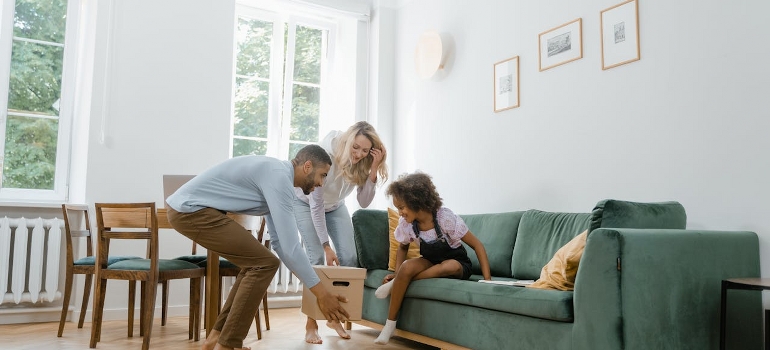
Every parent knows emotions run high during moves. Toddlers express confusion through tantrums, not words. That’s why staying calm and addressing their feelings directly matters. Families often lean on best packing services for support so they can focus more on their child’s mood than on boxes. Tell your toddler what’s happening in clear, simple language: “We’re going to a new house where you’ll have your toys too.” Avoid surprises whenever possible. Keep familiar music or background noise playing during packing—it softens the atmosphere. Praise cooperation, even small efforts, to reinforce positive behavior. When meltdowns happen, step back and breathe before reacting. Toddlers feel safe when parents show steady emotions, even in chaos. You can also introduce new spaces slowly—show them each room instead of rushing. Understanding that tantrums are communication, not defiance, helps you stay compassionate. Emotional awareness turns potential disasters into manageable moments.
How Soon Should You Childproof the New Home?
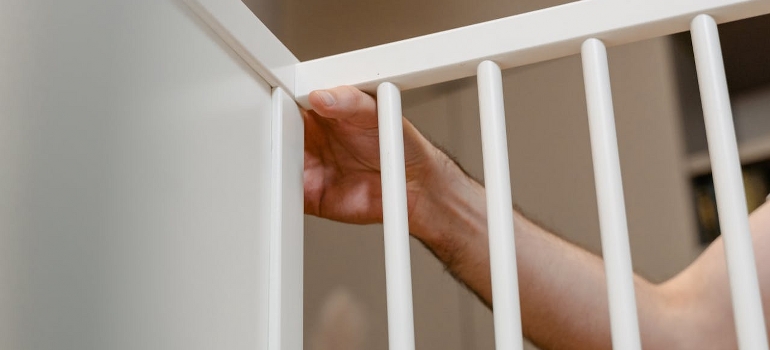
Safety should come before comfort when you first arrive. Setting up quickly with help from the best military movers gives you time to secure dangerous areas before your toddler starts exploring. Start by inspecting electrical outlets, window locks, and stairways. Use outlet covers, cabinet latches, and corner guards immediately. Unpack cleaning products and sharp kitchen items last so they’re never left within reach. Check that cords from blinds or electronics are tucked away. Toddlers are curious, and new environments spark even more exploration than usual. Walk through each room at your child’s eye level to spot hidden risks—like unstable furniture or small choking hazards. Install gates before unpacking heavy boxes so you don’t lose sight of safety while settling in. A properly childproofed home means peace of mind, allowing your toddler to adjust freely without constant warnings or fear.
When Is It Smart to Ask for Childcare Help?
Sometimes the most practical choice when moving with toddlers is stepping back and accepting help. Parents organizing large moves with long distance movers often schedule babysitters or family visits for moving day itself. It’s not a sign of weakness—it’s a smart way to keep your child’s needs prioritized. Toddlers thrive in calm, familiar settings, so staying with grandparents or spending a few hours at daycare during loading and unloading keeps their environment stable. With fewer distractions, you can oversee logistics, check inventory, or communicate with movers efficiently. Arrange this support ahead of time and provide caregivers with essentials: food, nap schedules, favorite toys, and emergency contacts. Knowing your toddler is safe lets you focus entirely on coordination. If outside childcare isn’t possible, consider hiring an extra set of hands to play with your child on-site. Balanced attention makes the difference between a rushed, chaotic move and a controlled, successful one.
Conclusion: How Can You Truly Simplify Moving with Toddlers?
Moving with toddlers doesn’t have to mean chaos—it means strategy. Keeping routines steady, childproofing early, and involving your toddler in the right ways transforms the experience into something positive. Reliable help from movers in us ensures your energy goes where it matters most: caring for your child and creating calm. Preparation and patience make all the difference. When toddlers feel secure, they adapt faster, sleep better, and settle into their new home with less stress. Moving is temporary, but the memories of how smoothly you handled it will last far longer. Every thoughtful step brings more peace for both you and your little one.