Planning a long-distance move takes more effort than moving locally. Local moves usually take a day and involve shorter travel. Interstate moves often mean new laws, longer delivery times, and more risk. Because of this, you need the best nationwide movers to handle your items with care. Look for companies with experience across states. They should offer clear pricing, proper insurance, and detailed contracts. For example, some movers provide full-value protection, while others do not. That detail matters when you’re sending furniture or fragile items across state lines. Always compare options and ask questions. To avoid delays or surprise fees, take time to choose an interstate moving company that meets your needs and explains each part of the process.
Know what services you need before comparing movers
Before you compare quotes, you should know the type of move you’re planning. The difference between interstate vs. intrastate moving affects the rules, paperwork, and pricing. For example, moving within one state often doesn’t require a USDOT number, but crossing state lines does. Insurance requirements also change. That’s why it’s important to plan ahead. Think about what you need besides transportation. Some people only need loading and unloading. Others want full-service help that includes packing, unpacking, and assembly.
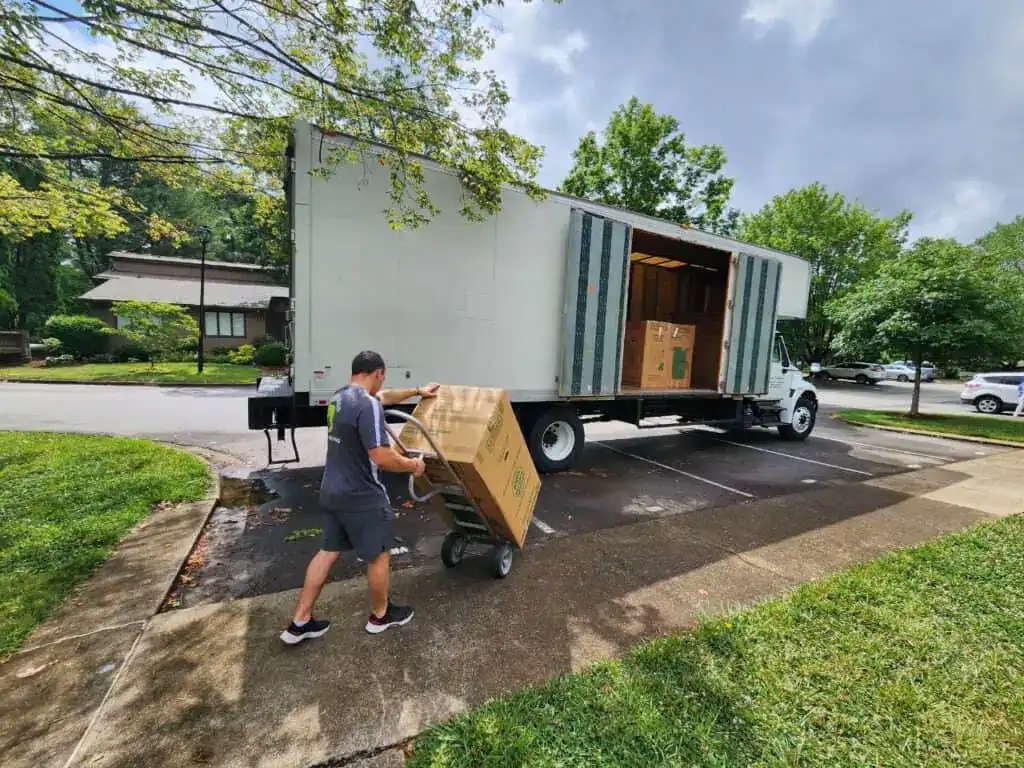
To ensure a smooth move with a reliable moving services provider, list everything you expect from your mover. Do you need short-term storage between closing dates? Or long-term storage while settling in? Some companies offer climate-controlled units for delicate items like art or wine. If you’re relocating a piano or pool table, find movers with special equipment. For car transport, choose licensed carriers with good reviews. Knowing your exact needs helps you avoid overpaying for services you don’t need. It also lets you compare companies more clearly and choose one that fits your situation.
Start with licensed and insured moving companies only
Every moving company that crosses state lines must follow federal rules. This helps protect your belongings and your money. The best long distance movers are registered with the Federal Motor Carrier Safety Administration (FMCSA). They must have a valid USDOT number, which you can verify on the official FMCSA website. For example, you can search a mover’s name and see if they’re listed, insured, and authorized for interstate work.
On the other hand, unlicensed movers may offer lower prices but come with serious risks. They might not carry proper insurance. If they damage your items or miss a delivery date, you may have no legal support. Some may even take deposits and disappear. That’s why it’s never a good idea to hire a company that can’t show proof of license or insurance. Always ask for a USDOT number and confirm it online before you agree to anything. In the end, a licensed mover may cost more upfront, but you’ll gain peace of mind and better service when your move covers hundreds or thousands of miles.
Read reviews and check third-party ratings
Checking reviews is one of the easiest ways to avoid problems during your move. One of the benefits of hiring the best long-distance movers is knowing they have a good reputation. Use platforms like Google, Yelp, and the Better Business Bureau to read feedback from other customers. For example, if you see multiple complaints about broken items or surprise charges, that’s a red flag.

In contrast, positive reviews that mention timely delivery, careful handling, and clear pricing are a good sign. Pay close attention to how a company responds to complaints. A helpful and respectful reply shows they care about customer service. However, if you find very few reviews or none at all, it may be risky to move forward. New companies might still be learning, and unknown ones could be scams. Always choose a mover with a consistent review history and clear contact details. Even if they charge a little more, trustworthy companies save you time, stress, and money in the long run. A solid online presence is part of what makes a mover dependable.
Get multiple estimates in writing before deciding
Getting written estimates is a key part of finding reliable national moving companies. Verbal quotes are not enough, especially for long-distance moves. Instead, request written estimates from at least three different companies. This gives you a clear idea of average pricing. It also helps you avoid lowball offers that later come with surprise fees.
Most professional movers offer two types of estimates: binding and binding-not-to-exceed. A binding estimate means the final cost won’t change, even if your items weigh more than expected. A binding-not-to-exceed estimate allows the price to drop if the shipment weighs less. Both options protect you from last-minute charges. Before you accept an estimate, review the details carefully. Ask what is included, such as labor, fuel, packing supplies, or insurance. Then ask what is not included, like storage or stair carry fees. Some companies may leave out these extras on purpose to seem cheaper. That’s why it’s important to compare everything side by side. The right mover will provide a complete breakdown and explain each line item before you sign.
Understand how interstate moving costs are calculated
Interstate moving costs depend on several key factors. Weight, distance, and timing all play a role. For example, if you’re moving a piano, pool table, or need help with military relocation, pricing can increase. Specialty services—like those offered by the best military movers—often require extra labor, equipment, or permits. These needs add to the total cost. Timing also matters. Moving during peak summer months or holidays may raise prices due to high demand.

Other extra fees may include long carry charges, elevator use, or stair climbs. If movers can’t park near your door, you might pay more for added labor. Delays caused by traffic, weather, or building rules can lead to extra charges, too. To reduce risks, provide a full and accurate inventory of your items. Movers base their quotes on that list. If the actual load is heavier, you’ll pay more than expected. A professional company will walk you through how each detail affects the estimate. Always ask for written terms and review the breakdown before signing anything.
Ask the right questions to avoid surprises
Before you sign any contract, make sure you fully understand what the company is offering. Many moving issues come from poor communication and missing details. That’s why asking the right questions is important. Some companies use subcontractors, while others handle everything with their own crew. Also, not all movers offer the same level of coverage. Basic liability is often included, but it may not be enough if something breaks. Full-value protection can give you more peace of mind, though it usually costs extra. Claims processes also vary. In some cases, it’s quick and easy. In others, it can take weeks or longer. Delivery timelines are another concern. Delays happen, but some companies offer compensation or updates, while others do not. Asking upfront helps you avoid confusion and extra costs.
Here are key questions to ask:
- Do you offer full-value protection or just basic liability?
- What is the process for filing a claim if items are damaged?
- Will any part of my move be handled by subcontractors?
- What happens if there’s a delay in delivery?
Learn how to choose an interstate moving company with confidence
Choosing the right moving company can make a big difference in your experience. Take time to research each option before signing a contract. Look at licenses, reviews, and detailed written estimates. Always ask questions if anything seems unclear. For example, confirm whether the company offers full-value protection or if they use subcontractors. Knowing these details helps you avoid delays, damage, or hidden fees. If you’re moving a specialty item or need storage, share that information early. Reputable movers will explain all costs and terms clearly. With the right approach, you can choose an interstate moving company that meets your needs and budget. Planning ahead helps protect your belongings, your time, and your peace of mind.