Moving your cherished home library along with your other belongings can be challenging. Whether you’re moving across town or across the country, your collection of books deserves careful attention to ensure they arrive in pristine condition. This guide will help you move your home library smoothly and efficiently.
Why Moving Your Home Library Requires Special Care
1. Plan Ahead
Assess Your Collection
Before you start packing, take the time to review your library. Consider the number and type of books you own—hardcover, paperback, coffee table books, or collectibles. This assessment will guide you in selecting the right packing materials and organizing your move.
Create a Timeline
Establish a moving timeline with deadlines for sorting, packing, and unpacking your library. Planning will help you avoid last-minute stress and ensure you have ample time to address every detail.
2. Declutter Your Library
Sort and Decide
Moving is the perfect opportunity to declutter your library. Sort your books and decide which ones you want to keep, donate, or sell. Consider the following questions for each book:
- Have I read this?
- Will I reread this?
- Is it in good condition?
- Does it hold sentimental value?
Working through this process lightens your load—practically and emotionally—and allows you to make space for new books in your new home.
Donate or Sell
For the books you choose not to keep, consider donating them to local libraries, schools, or charities. Alternatively, you can sell them online, at a garage sale, or to a specialty used bookstore. This way, your books can find new homes, and you can earn some extra cash for your move.
3. Gather Packing Supplies
Essential Materials
Gather sturdy boxes in various sizes, packing materials, and markers for labeling. Specialty book boxes are an excellent investment as they provide extra protection for heavier volumes. Here’s a list of supplies you might need:
- Boxes: Use medium-sized boxes for paperbacks and larger boxes for hardcovers.
- Packing Tape: Ensure your boxes stay securely closed during the move.
- Bubble Wrap: Ideal for valuable or fragile books.
- Packing Paper: Use for wrapping individual books.
- Markers: For labeling boxes.
4. Organize by Category
Create a System
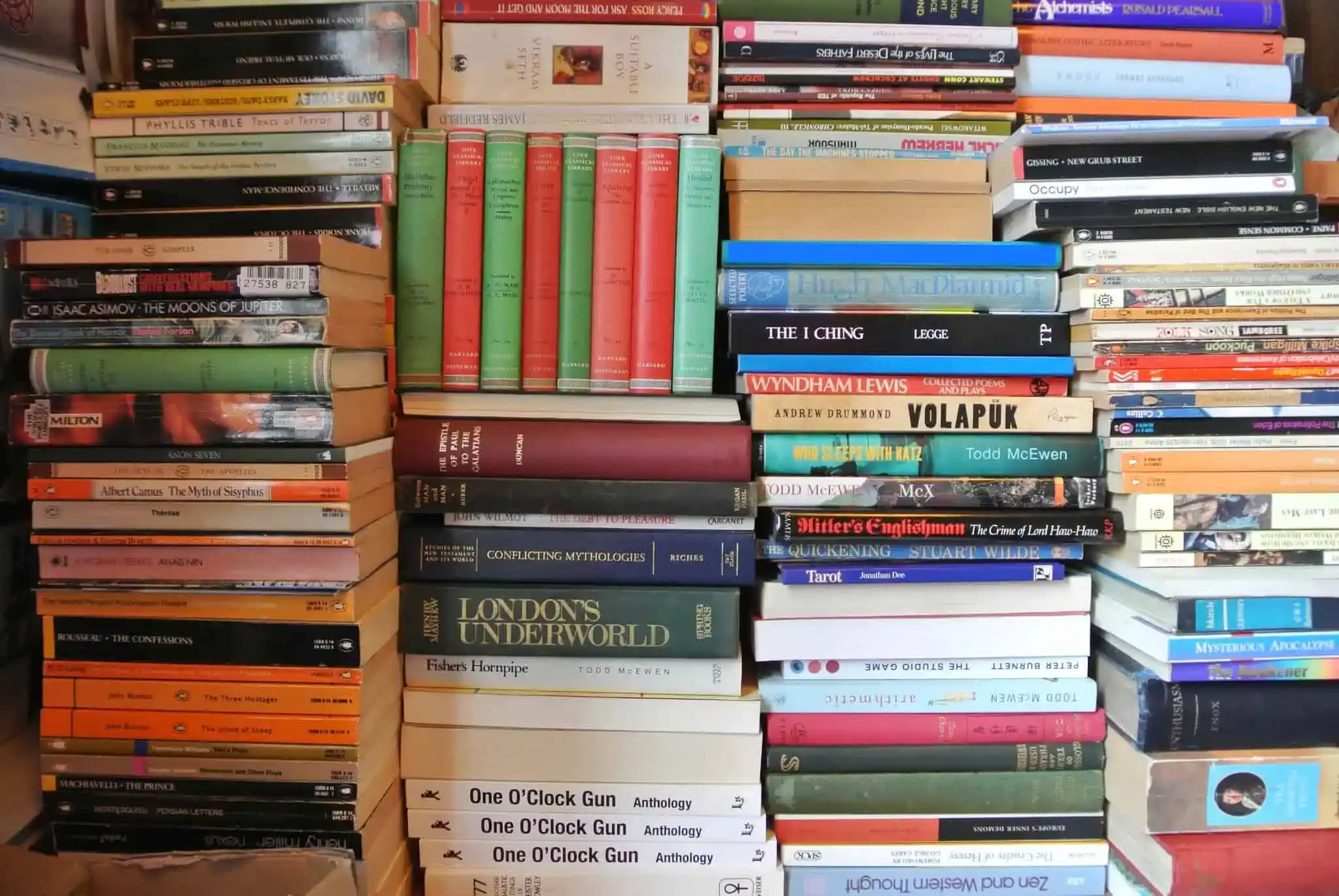
Organizing your books by category, genre, or size simplifies the packing and unpacking. Consider grouping your books into categories such as:
- Fiction
- Non-fiction
- Reference
- Cookbooks
- Children’s books
This categorization will help you locate specific books quickly once you’ve moved, making unpacking less overwhelming.
Another option is to pack books according to location. If your books are carefully organized on the shelves in a way that defies traditional categorization, it may help to pack your books shelf-by-shelf. No matter which method you choose, make sure to stick to it to avoid confusion during the unpacking process.
5. Protect Your Books
Wrap Each Book
Wrap each book individually in packing paper to prevent damage from rubbing or shifting during transit. Consider using bubble wrap or cardboard inserts to protect valuable or fragile books. This extra layer of care ensures that your books remain in excellent condition throughout the move.
Use Bookmarks for Important Pages
If you have books with crucial notes or bookmarks, consider using sticky notes to mark important pages. This will make it easier to find specific sections once you’ve settled into your new home.
6. Pack Strategically
Optimal Packing Techniques
When packing your books, pack them upright, like how they are displayed on shelves, to prevent spine damage. For larger, heavier books, pack them flat to avoid bending. Here are some packing strategies to keep in mind:
- Fill Empty Spaces. Use packing paper to fill empty spaces in boxes to keep books from shifting during transit.
- Avoid Overpacking. Limit the weight of each box to about thirty pounds. Overpacked boxes can be challenging to lift and may break.
Use Labels Wisely
Label each box with its contents and the room to which it belongs. Consider color-coding your labels based on categories or genres for quicker identification.
7. Handle with Care
Lifting and Loading
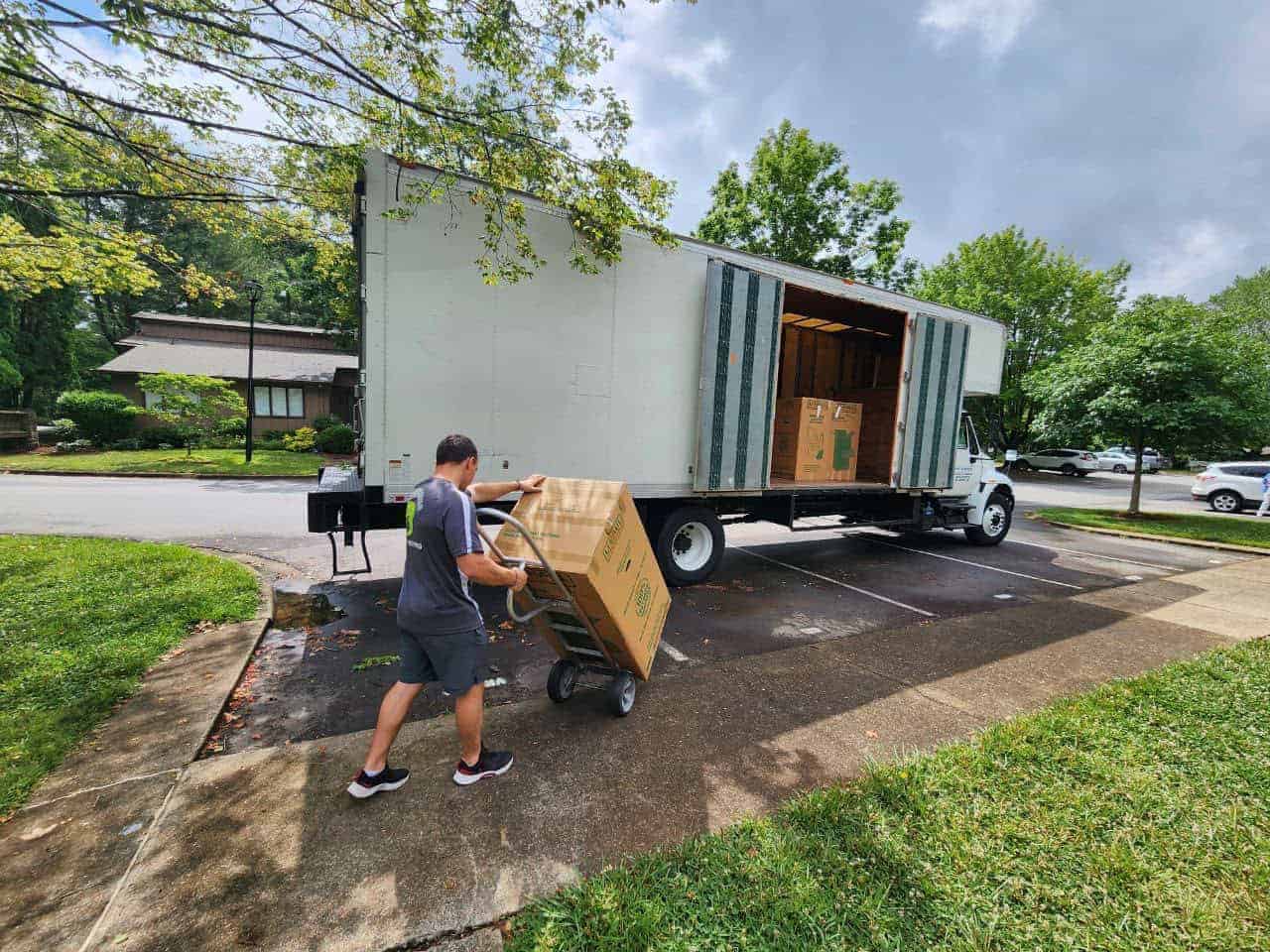
Handle them carefully to avoid dropping or mishandling. Use the following lifting techniques to prevent injury:
- Lift with Your Legs. Bend at the knees and keep your back straight to prevent strain.
- Team Lift. For heavy or bulky boxes, enlist help from friends or family.
Take Breaks
Moving can be physically demanding. Take regular breaks to rest and hydrate, especially when lifting heavy boxes.
8. Consider Climate Control
Protect from Environmental Factors
Consider climate-controlled storage if you’re moving long-distance or storing your books temporarily. This protects your books from humidity, temperature fluctuations, and pests, ensuring they remain in optimal condition.
Research Storage Options
If you need to store your books for a while, research reputable storage facilities that offer climate control. Some moving companies also provide short-term storage solutions.
9. Set Up Your New Library
Unpacking Priorities
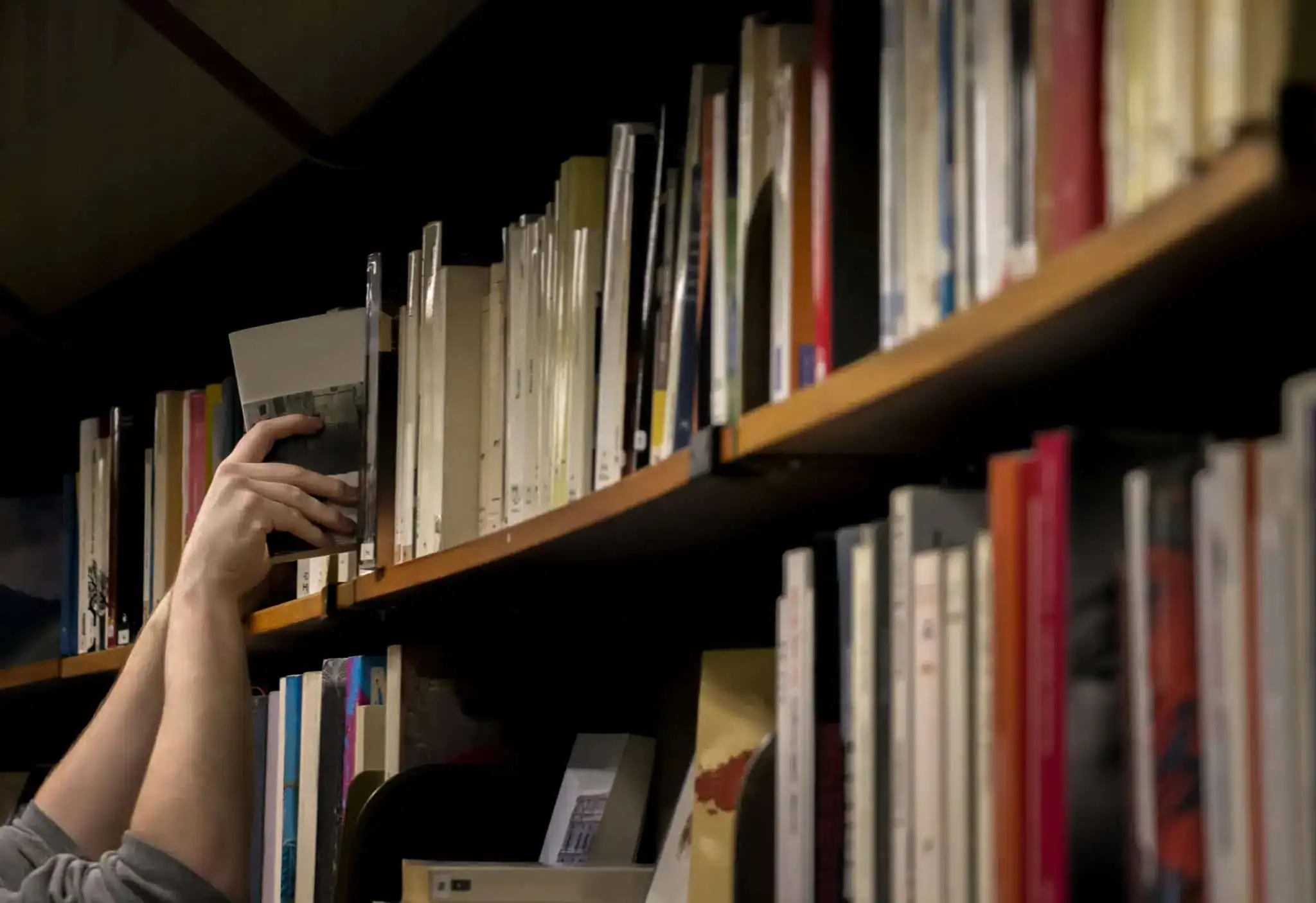
Once you arrive at your new home, prioritize unpacking your library. Avoid stacking books in piles as you remove them from their boxes; place your literary gems on their shelves right away to prevent warping or bending. This allows you to start enjoying your collection as soon as possible.
Organize as You Unpack
As you unpack, take the opportunity to reorganize your books. Consider your reading habits and how you access your collection. You might display your favorite titles prominently or group books by genre.
Let Best US Moving Pack Your Home Library
When moving your treasured home library, consider letting the professionals at Best US Moving handle the packing for you. Our experienced team understands the unique needs of books, ensuring that each one is treated with the utmost care. Here’s why trusting us with your library can make your move smoother and more efficient:
Expertise in Packing Techniques
Best US Moving employs skilled packers who can wrap and secure books properly, minimizing the risk of damage during transit. We use specialized packing materials designed to protect fragile items like books, ensuring they arrive at your new home in pristine condition.
Time-Saving Convenience
Packing an extensive collection of books can be time-consuming and tedious. Allowing Best US to take on this task frees up your time to focus on other important aspects of your move, such as settling into your new space or coordinating logistics.
Tailored Solutions
Every home library is unique, with various types of books, from rare editions to cherished novels. Best US Moving offers customized packing solutions that cater to your collection, ensuring every book is packed according to individual needs.
Peace of Mind
Moving can be stressful, but knowing that your beloved books are in the hands of professionals can provide significant peace of mind. Our commitment to customer satisfaction means you can trust us to handle your library as if it were our own. We ensure your collection will be well-protected and ready to enjoy in your new home.
Book Your Move with Best Us Moving
Moving your home library requires careful planning and attention to detail, but with the right approach, you can ensure your books arrive safely and ready to be enjoyed in your new space. By following these tips, you’ll streamline the moving process and preserve the integrity of your beloved book collection.
For more moving tips and resources, download The Ultimate Moving Checklist today. Visit our blog for additional insights on making your move as smooth as possible. Ready to get started? Contact Best US Moving for a free moving estimate, and let us help you move with confidence.