Leaving the Northeast for the Southwest means big changes. If you’re moving from NJ to AZ, expect a dry climate, lower taxes, and more affordable homes. For example, property taxes in Arizona are much lower than in New Jersey. That means more room in your budget each month. Also, Arizona’s job market favors tech, healthcare, and logistics. In contrast, New Jersey leans more toward finance and pharma. The pace of life also shifts. Arizona offers wide open spaces and fewer traffic headaches. Meanwhile, New Jersey tends to be busier and more densely populated. Throughout this post, you’ll find tips to help with moving, packing, and settling in. You’ll also see clear comparisons between the two states. This is for those moving from New Jersey to Arizona and planning smart.
Planning your long-distance move in advance
Planning early makes every part of your move easier. Start at least two to three months ahead of time. That allows you to get quotes, compare services, and organize your belongings. Timing matters, too. For example, avoid Arizona’s summer heat and aim for spring or fall instead. Don’t forget to set a budget. Cross-country moves can cost between $3,000 and $7,000 based on distance and home size.

To avoid delays or damage, hire US long distance movers with solid experience and insurance. Look for companies that specialize in cross-country relocation. Then, create a checklist. Include steps like booking your movers, gathering school and health records, and updating your address. Timelines help reduce last-minute stress. For instance, plan to transfer your utilities at least two weeks before moving day. When everything is written down, tasks become easier to manage. Staying organized also helps you feel more in control, especially during a major move like this.
Packing tips for a desert climate
Packing for Arizona takes a different approach. Start by focusing on items you’ll actually need in a dry, hot climate. For instance, keep your summer clothes, sun hats, and water bottles easily accessible. Leave behind heavy coats and snow boots unless you plan to visit colder areas like Flagstaff. Also, label every box clearly. Use breathable containers for clothes and linens to avoid moisture buildup during transit. If you want to save time and protect fragile items, consider using the best packing services that handle climate-sensitive materials.
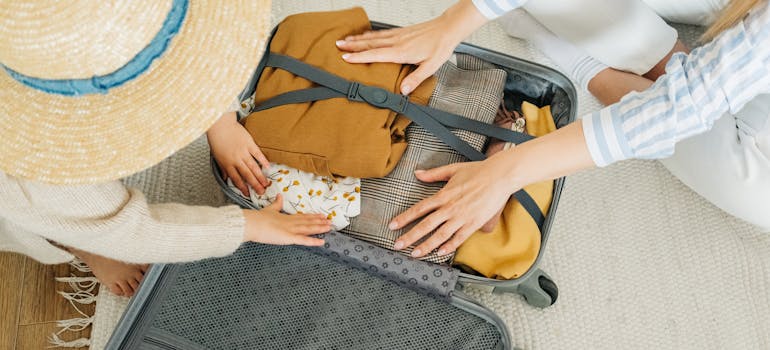
It’s also smart to pack electronics with extra care. Use padded cases and avoid leaving items like laptops or tablets in hot trucks. Wrap them in bubble wrap and add silica gel packets to reduce moisture. Arizona’s extreme heat can damage screens and batteries. Before packing everything, think about what you actually use. For example, you may not need a humidifier or extra blankets. Downsizing helps lower your moving costs and keeps your new home clutter-free.
Important paperwork and address changes
Changing states means updating many important documents. Start with your driver’s license and vehicle registration. Arizona requires new residents to apply within 10 days of arrival. A US moving company may also need your new address for delivery and billing purposes. If you’re relocating from New Jersey to Arizona, update your voter registration, notify the USPS, and change your address on financial accounts and subscriptions. These steps help keep your mail and services running without delays.
Next, focus on schools and health care. Contact your new school district early to transfer records and provide vaccination forms. If your child has an IEP, ask how support services work in Arizona. Then, review your health insurance options, especially if your provider doesn’t cover Arizona. Also, make sure to file taxes properly in both states if you earned income in each. Doing this paperwork early helps you avoid penalties and stay on top of your responsibilities.
Choosing the best city in Arizona for your lifestyle
Different cities in Arizona offer different benefits. Scottsdale stands out as one of the top choices for retirees. It has many healthcare centers, quiet neighborhoods, and great weather. That’s why the best movers for seniors often recommend it. Phoenix, on the other hand, has a wide job market with roles in tech, healthcare, and construction. Mesa offers affordable housing and a strong school system, which appeals to families. If you prefer a smaller city with good public transport, consider Chandler. Its bus system connects easily to the Phoenix metro area.
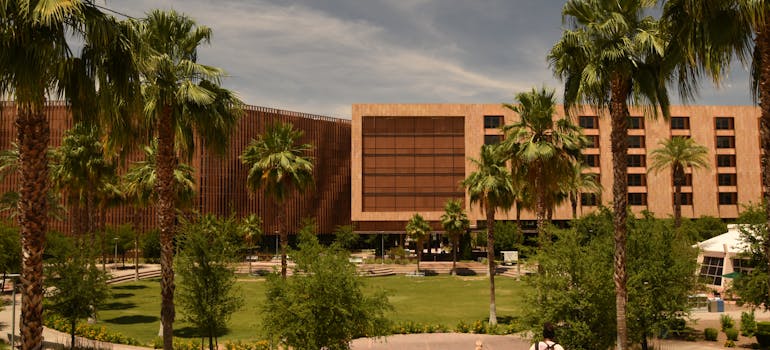
Tucson is another strong option. It’s known for its low cost of living and relaxed pace. Professionals enjoy its growing tech scene and nearby hiking spots. Public parks, cultural festivals, and local events bring communities together. Each city also offers different housing styles, from condos in Phoenix to ranch homes in Mesa. Before you choose, compare average rent prices and commuting times. That helps you match the right Arizona city to your daily needs and long-term plans.
What to expect on moving day
Moving day starts early and moves quickly. First, your movers will arrive, confirm the inventory, and begin loading. If you’re using the best residential movers, they’ll label items clearly and protect fragile pieces. Make sure your building knows the schedule to avoid delays with elevator access. In case of a long-distance move, your shipment will be tracked during transport. Most companies offer real-time updates, which give peace of mind throughout the process.
While movers handle the heavy lifting, keep kids and pets safe in a quiet room or with a sitter. Pack a separate bag with clothes, snacks, chargers, and important documents. Once you arrive in Arizona, you’ll want quick access to those items. Include basic supplies for the first night, like toiletries, sheets, and a few dishes. That way, you won’t need to unpack everything right away. With good planning and clear communication, moving day can go more smoothly and feel less overwhelming for the whole household.
Cost breakdown when moving from New Jersey to Arizona
Costs vary based on the size of your home and the distance traveled. For example, a two-bedroom move from New Jersey to Arizona can cost between $4,000 and $7,000 with full-service movers. Some moving companies NJ residents choose may offer packing, but that adds $300 to $600 more. If stairs or long carries are involved, expect fees between $75 and $150 per service. Storage also adds to the cost, often around $150 per month for a basic unit.

Shipping a car from New Jersey to Arizona usually ranges from $1,000 to $1,400. Though DIY options may seem cheaper, they include hidden costs like gas, lodging, and rental truck insurance. For instance, a truck rental and fuel could still total over $2,500. To cut expenses, consider moving during the off-season or downsizing before the move. Booking early also helps lock in lower rates. While moving long distance isn’t cheap, good planning can keep your total costs under control.
New Jersey vs. Arizona comparison
Relocating to a new state involves more than just packing boxes. Whether you’re moving your family or shifting office operations, it’s important to plan carefully. Each type of move comes with different needs. For example, the best commercial movers offer services like equipment handling and inventory tracking, which matter more for business relocations. At the same time, Arizona and New Jersey offer very different living and working environments. Housing, climate, and job markets all vary by location. That’s why comparing both states helps you make better choices. In the next sections, we’ll explore key differences between the two. This includes costs, work opportunities, lifestyle, and other factors that can affect your daily life and business plans.
Housing market differences and cost of living comparison
Housing prices and tax rates look very different across these two states. In New Jersey suburbs like Edison or Montclair, median home prices often range from $500,000 to $750,000. Meanwhile, in Arizona cities like Mesa or Glendale, you may find similar homes for $350,000 to $450,000. If you’re moving from New Jersey to Arizona, expect lower property taxes. New Jersey averages around 2.2%, while Arizona’s average is about 0.6%. Rent also differs. A two-bedroom apartment in Newark may cost $2,200 per month, while in Tucson, it averages around $1,300. Also, Arizona homeowners face wildfire risks, while New Jersey residents often pay for flood insurance. Most Arizona homes are part of HOAs, especially in newer developments.

Living expenses stretch further in Arizona. Groceries cost about 10% less, and gas averages $3.60 per gallon, compared to $3.90 in New Jersey. Arizona has no state income tax on Social Security, but it does have a higher sales tax. Overall, many families find that their budgets go farther after the move.
Work and school opportunities
Arizona offers strong job growth in fields like tech, aerospace, and healthcare. Cities like Chandler and Tempe attract major employers, including Intel and Banner Health. In contrast, New Jersey leans more toward finance, pharmaceuticals, and education. Because Arizona is a right-to-work state, union influence is lower compared to New Jersey, where unions play a large role in many industries. This can affect job protections and wage negotiations, especially in public sector roles.
School systems also differ. New Jersey ranks higher overall in K–12 education, but Arizona has more charter school options. For example, BASIS Charter Schools in Arizona are highly rated. In higher education, Arizona State University and the University of Arizona offer many degree programs, similar to Rutgers and Princeton in New Jersey. Salaries also vary. A registered nurse earns about $88,000 per year in New Jersey, compared to around $82,000 in Arizona. However, lower living costs in Arizona can balance out smaller paychecks, especially for remote workers or those relocating with job offers.
Climate and outdoor lifestyle changes
Arizona’s dry heat feels very different from New Jersey’s humid summers. Temperatures can reach 110°F, especially in July and August. Because of this, staying hydrated and wearing sunscreen daily becomes part of your routine. The dry air may also trigger allergies or dry skin. Using a humidifier indoors and applying moisturizer regularly can help. Sun hats, UV-protective clothing, and sunglasses are also useful for outdoor activities.
Outdoor lifestyles shift, too. Arizona offers year-round access to parks and nature but with different options:
- Hiking is popular in places like Camelback Mountain in Phoenix.
- Swimming is common, as many homes and communities have pools.
- Skiing is still possible in Arizona, especially in Flagstaff during winter.
However, the monsoon season brings strong winds and sudden rain. Dust storms, also called haboobs, require staying indoors and sealing windows. Landscaping also changes. Grass is rare in most areas. Instead, people use gravel, cactus, and drought-resistant plants, which lower water use and maintenance costs.
Lifestyle shifts after moving from New Jersey to Arizona
Life feels different once you settle in Arizona. The pace slows down, especially outside of cities like Phoenix. Many people find it easier to enjoy everyday life without constant traffic or long commutes. You’ll also notice fewer public transit options. In New Jersey, trains and buses are part of daily life. In Arizona, however, most people rely on personal cars—even in larger cities.

Social life changes, too. Arizona residents tend to be friendly and open to newcomers. Community events like farmers’ markets and local festivals happen year-round. For example, Tucson hosts the annual Fourth Avenue Street Fair, which draws large crowds. Grocery options are also different. While NJ has ShopRite and Acme, Arizona offers Fry’s, Safeway, and Bashas’. Restaurant chains vary, but you’ll find more Southwest and Mexican cuisine in Arizona. Neighborhoods often host small block parties and seasonal events, especially in planned communities. These lifestyle shifts may take time to adjust to, but many find them welcoming and refreshing.
Things to remember before moving from New Jersey to Arizona
Before you pack up, take time to prepare for major changes. Arizona offers more sun, lower taxes, and cheaper housing, but it also brings a different pace of life. You’ll need to adjust to dry heat, car-based travel, and new social settings. Plan your budget carefully, especially for long-distance moving and setup costs. Update your paperwork early, including licenses, school records, and health coverage. If you’re moving from New Jersey to Arizona, research each city before choosing where to live. Think about your job, lifestyle, and family needs. With the right planning, the move can bring long-term benefits. Stay flexible, keep track of tasks, and give yourself time to settle into your new surroundings.